Learn about the Crucial Services Offered by a Professional Arborist for Optimal Tree Health
A professional arborist offers a range of services essential for maintaining healthy trees and enhancing landscapes. Their expertise in tree pruning promotes growth and reduces risks. They also assess and handle tree diseases, ensuring tailored treatment plans are in place - Florence Arborist. Additionally, arborists manage secure tree removal and help with planting and transplanting. Their role becomes even more crucial during emergencies such as storm damage. Understanding these services can greatly impact one’s approach to tree care
The Significance of Tree Pruning
Although many homeowners often neglect the necessity of tree pruning, it is crucial in maintaining the health and aesthetics of trees. Proper pruning helps trees develop a robust structure, removing dead or diseased branches that could create hazards. By selectively trimming branches, the tree can concentrate its resources on healthy growth, encouraging improved air flow and sunlight penetration. Additionally, pruning can enhance the overall appearance of the tree, forming it for visual beauty in residential landscapes.
Moreover, regular pruning can avoid possible dangers, such as dropped branches during storms or high winds, which could harm property or hurt people. It also assists in avoiding of pest infestations and diseases by improving the tree's resilience. Ultimately, investing in professional arborist services for tree pruning ensures trees stay healthy, safe, and attractive, greatly contributing to the overall beauty and value of the property.
Identifying and Treating Tree Diseases
Tree health can be greatly compromised by various diseases that may not always be readily apparent. A professional arborist serves a vital function in identifying these issues promptly, utilizing a combination of visual inspections and assessment instruments. Symptoms such as unusual leaf coloration, wilting, or irregular growth shapes often signal underlying health issues. Arborists examine these indicators to determine exact ailments, whether fungal, bacterial, or viral in nature.
Once diagnosed, the professional designs a customized plan of action. The plan often involves focused interventions, such as bactericides or fungicides, and cultivation methods that enhance tree resilience. Additionally, adequate irrigation, the application of mulch, and fertilization can considerably improve tree health and defense against pathogens. Consistent observation and further interventions are essential for effective management, securing the long life and health of the trees. By addressing tree diseases proactively, professionals preserve the ecological advantages and visual appeal provided by healthy trees.
Guidelines for Safe Tree Removal
Effective tree removal practices are necessary to ensure the safety of the crew and limiting harm to surrounding property. Expert tree specialists conduct a detailed analysis of the tree's condition, its location, and the surrounding environment before beginning the felling process. Professionals employ dedicated machinery, such as rigging equipment and chainsaws, to make clean incisions and maintain control while cutting down the tree.
A well-planned removal strategy includes identifying potential hazards, such as structures or overhead wires, which can impact the safety of the operation. Tree specialists frequently employ a method known as "sectional dismantling," in which the tree is taken apart in small sections, lessening the hazard posed by dropping wood.
In addition, they follow local regulations and guidelines to guarantee compliance and responsible environmental care. Once the tree is down, proper cleanup and disposal of the remaining wood and brush, stump treatment as well, help improve the overall security and look of the landscape.
Guidelines for Tree Installation
Planting and transplanting trees demands close attention of site selection and planting techniques to ensure future vitality and successful establishment. An appropriate setting greatly affects a tree's development, whereas good planting practices minimize stress and aid in successful rooting. Professionals stress these considerations as vital for boosting the vigor and longevity of trees in all environments.
Selecting an Appropriate Site

Choosing the right location for planting or transplanting trees is essential for their sustained health and success. Elements like the condition of the soil, sunlight exposure, and water flow needs careful consideration. Tree care professionals evaluate the location's features, making sure that the chosen spot offers sufficient nourishment and proper foundation for the trees. In addition, the closeness to current buildings and surrounding flora is crucial to stop the fight for nutrients and steer clear of future injury. Tree specialists also factor in the tree’s mature size and root structure, ensuring sufficient space for growth. Via an in-depth assessment of the location, these professionals assist customers choose wisely that encourage strong, successful trees, thereby improving the landscape’s visual appeal and natural benefits.
Proper Techniques for Installation
After the location is thoroughly evaluated and chosen, the next step involves applying the best tree installation practices. Preparing the planting hole correctly is crucial; it should be double the diameter summary of the root system and the same depth as the root ball. The tree should be placed in the hole so that the upper surface of the roots aligns with the existing grade. Fill the hole with local earth, checking that all voids are filled, and water thoroughly to encourage early root growth. Applying mulch at the bottom assists in keeping water in and suppress weeds. Florence Arborist. If moving mature plants, it’s important to minimize root disturbance and transplant during dormancy for the greatest likelihood of thriving. Implementing these practices encourages strong vitality and long life
Responding to Storm-Related Tree Hazards
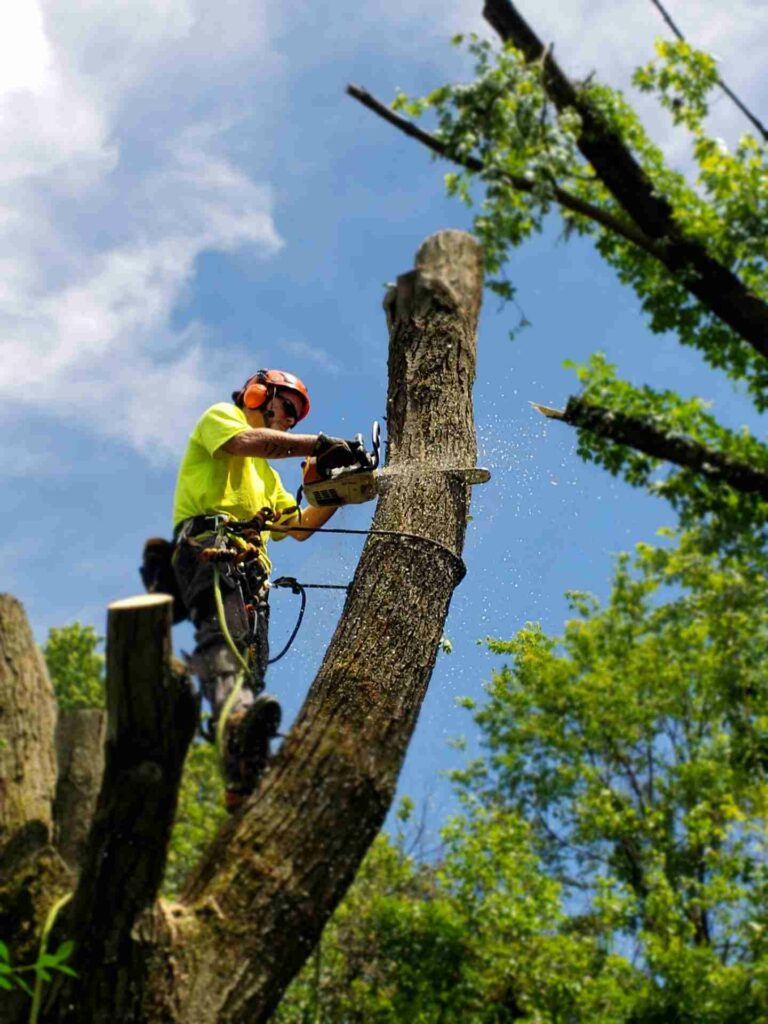
After powerful weather events occur, the consequences often leave trees in perilous conditions, endangering structures and security. Professional arborists play a vital role in crisis management, inspecting weather-damaged trees to determine their stability and health. Their expertise allows them to identify which plants can be saved and which are serious, instant risks that must be removed.
Using professional equipment, tree experts are able to securely trim fractured limbs and haul away refuse, preventing subsequent injury to nearby locations. They also provide valuable advice on preventive measures, such as picking durable tree varieties for upcoming installations.
In addition to immediate response, arborists help homeowners understand the future impacts resulting from the weather, providing advice for restoration and healing. Through quick and effective action, these experts do more than just secure homes but also help in the renewal of the local environment once the tempest has passed.
Nutritional Support and Ground Care
In the wake of storm damage, attention turns to the health of remaining trees, underscoring the importance of nutritional support and soil management. A certified tree specialist checks soil conditions and tree health to determine exact dietary needs. Trees need essential nutrients, like nitrogen, phosphorus, and potassium, to heal and grow strong post-stress incidents.
Earth maintenance is crucial for nutrient availability and root growth. Arborists may recommend ground improvements, such as organic matter, to improve soil structure and the action of microorganisms. The correct pH balance are also evaluated, as they influence how nutrients are absorbed.
Applying mulch can improve moisture retention and keep weeds down, creating an ideal environment for the tree's recuperation. By developing a thorough nutritional plan and applying successful ground care techniques, arborists ensure trees recover their vigor, resilience, and total well-being, vital for maintaining a balanced ecosystem in the wake of ecological disruptions.
FAQs
When Should My Trees Be Checked?
Trees should be checked once a year for optimal condition. However, more regular inspections could be needed for younger trees, after severe weather events, or if distress or illness becomes apparent.
Which Credentials Should I Seek in an Arborist?
When seeking an arborist, one should look for credentials such as ISA (the ISA) accreditation, applicable work history, insurance coverage, and a good standing locally, confirming knowledge in tree care and safe procedures.
Do Arborists Utilize Special Equipment for Tree Care?
Arborists use a range of unique equipment for tree care, like chainsaws, pruning shears, climbing gear, and stump grinders. Each tool serves a specific purpose, ensuring effective maintenance, pruning, and tree extraction and boosting total well-being and safety.
In What Ways Does the Weather Impact Tree Health?
The climate significantly affects tree health; too much water often causes root rot, while drought stresses trees. Temperature extremes often result in harm to leaves and branches, consequently impacting growth, sturdiness, and total vitality of the trees.
Am I able to care for my trees personally, or Is it better to hire an expert?
Even though a few fundamental tree care duties can be performed by individuals, calling in a specialist is frequently the best option - Florence Arborist. Specialists are equipped with unique expertise and gear, to make sure the trees receive the proper care necessary for peak growth and vitality